
BA
Fashion with Foundation Year
- Foundation Year – Develop core creative, technical, and design skills for fashion and visual communication
- Industry-aligned – Work on live briefs and projects guided by experienced fashion professionals
- Flexible timetables – Face-to-face and online learning
- City-centre campuses – London
- Strong career focus – Teaching focuses on industry needs.
KEY INFORMATION
Level Of Study
Undergraduate
Duration
3/4 Years
Intakes
October, January, May
Locations
London
Study Mode
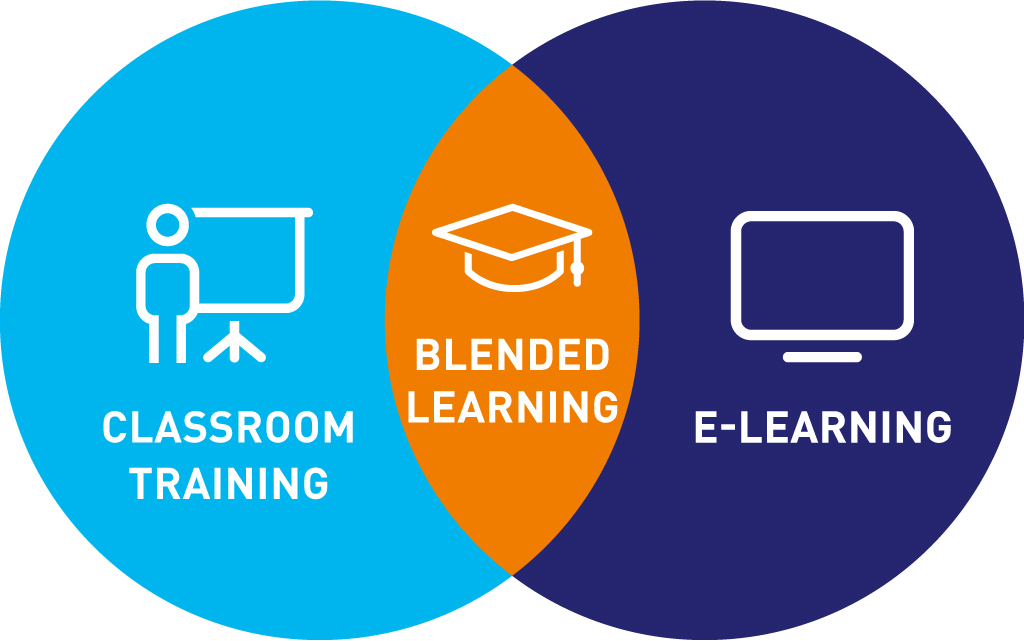
Blended Learning (1 day online & 1 day in class)
Entry Requirements
Apply without Previous Qualifications
*Please note yearly fees may increase in line with inflation & Government guidelines.
Modules Include :
Foundation Year:
- Introduction to Design (pathway dependent)
- English for Academic Purposes, Research & Study Skills
- Visual Culture
- Final Major Project
Year 1:
- Introduction to Design
- Visual Communication
- Creative Cutting and Construction
- Introduction to Fashion History and Theory
Year 2:
- Innovative Design Practice
- Creative Drape Practices
- Professional Practice
- Theories of Culture, Identity and Communication
Year 3:
- Final Major Project
- Professional Portfolio
- Dissertation
A BA in Fashion prepares graduates for creative and strategic roles in the fashion industry, covering design, production, marketing, and brand development. With experience and a strong portfolio, graduates can advance into senior-level positions such as:
- Creative Director
- Fashion Designer (Senior/Lead)
- Head of Merchandising
- Fashion Brand Manager
- Design Director
- Product Development Manager
- Fashion Marketing Director
- Visual Merchandising Director
- Trend Forecasting Consultant
- Head of Sustainable Fashion Strategy
Build in-demand Fashion skills employers need
Why Choose a Career in Fashion?
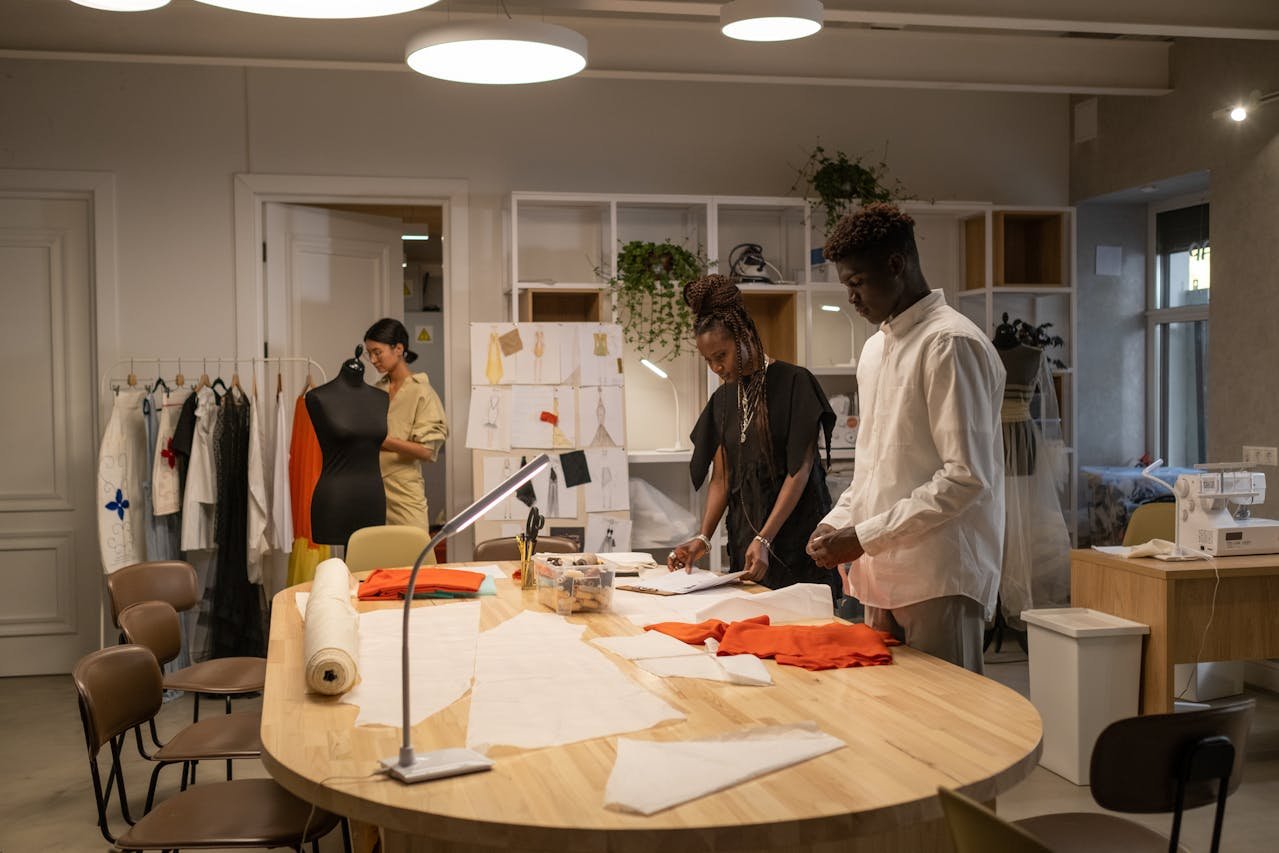
As part of this degree, you’ll develop the creative, technical, and professional skills needed to succeed in the fast-paced fashion industry—skills that employers value across design, styling, merchandising, and brand development. You’ll gain hands-on experience working on live briefs, collaborating in creative teams, and understanding the full lifecycle of fashion products. The course equips you with a versatile skill set, from trend forecasting and visual communication to professional practice, preparing you to turn your passion for fashion into a rewarding and dynamic career.
Do I Qualify?
Why study a Fashion degree with a foundation year?
Choose when you learn with blended learning
Daytime students
2 days of tuition per week: one session on campus and the other session delivered live online
Evening and weekend students
2 evenings live online and 1 weekend day face-to-face on campus or 2 evenings face-to-face on campus and 1 weekend day live online.
Weekend students
Face-to-face sessions on Saturday and online sessions on Sunday
Frequently Asked Questions
A BA Fashion degree in the UK can lead to careers as a Fashion Designer, Stylist, Fashion Buyer, Textile Designer, Merchandiser, Product Developer, Fashion Illustrator, or Fashion Marketing Executive. Graduates also work in sustainable fashion, luxury brands, retail management, and fashion media.
Yes — a fashion degree is worth it if you want a career in the creative industries, fashion design, retail, or fashion business. The course develops practical design skills, industry knowledge, and creativity, making graduates highly employable in the global fashion sector.
The average fashion graduate salary in the UK starts between £24,000 and £28,000. With experience, roles such as Fashion Designer, Fashion Buyer, or Creative Director can earn £35,000 to £60,000+, while senior positions in luxury brands or international companies can exceed £80,000.
Yes — many UK universities offer a fashion degree with a foundation year, designed for students without A-levels or previous qualifications. This pathway builds creative, technical, and academic skills needed to progress into a BA Fashion course.
After completing a BA Fashion degree, you can work in fashion design, styling, trend forecasting, branding, fashion marketing, product development, or retail buying. Many graduates also start their own fashion labels or move into postgraduate study in fashion business or design.