
BSc (Hons)
Counselling and Mental health Well being with Foundation Year
- Foundation Year – Build core knowledge in psychology, counselling approaches, and wellbeing support
- Industry-aligned – Gain practical understanding of mental health support, counselling techniques, and client care
- Flexible timetables – Face-to-face and online learning
- City-centre campuses – London, Birmingham, Manchester, Leeds
- Strong career focus – Teaching focuses on real-world counselling skills and mental health practice
KEY INFORMATION
Level Of Study
Undergraduate
Duration
3/4 Years
Intakes
September, January, May,
Locations
London, Birmingham, Leicester, Luton
Study Mode
Blended Learning (1 day online & 1 day in class)
Entry Requirements
Apply without Previous Qualifications
*Please note yearly fees may increase in line with inflation & Government guidelines.
Modules Include :
Foundation Year:
- Education and Society
- Degree Tutor Group 1
- Being Human in a Digital World
- Degree Tutor Group 2
Year 1:
- Counselling Professions and Academic Practice
- Human Development
- Humanistic Counselling
- Counselling Skills 1
- Introduction to Work-Related Learning
- Ethical and Social Issues in the Counselling Professions
- Psychodynamic Counselling
Year 2:
- Research in Counselling
- Work Related Learning
- Mental health: well-being and distress
- CBT Counselling Theory and Skills
- Counselling Skills 2
- Lifestyle and Wellbeing
Year 3:
- Counselling Studies Dissertation (Optional)
- Counselling Studies Literature Review with systematic
- methodology and narrative synthesis (Optional)
- Negotiated Work-Based Research Project (Optional)
- Therapeutic approaches to supporting children and families
- Mindfulness-Based Approaches to Wellbeing Coaching and Mentoring Applied CBT Working with Addictions
- Lead Counsellor
- Mental Health Services Manager
- Head of Wellbeing Programmes
- Clinical Team Leader (Counselling)
- Psychological Wellbeing Practitioner (Senior)
- Director of Mental Health Services
- Counselling Service Coordinator
- Senior Therapeutic Practitioner
- Mental Health Policy Advisor
- Head of Emotional Support Services
Build in-demand Counselling skills employers need
Developing Counselling skills equips you with the ability to support individuals facing mental health challenges, offering guidance, empathy, and practical strategies to improve wellbeing.
Employers value professionals skilled in active listening, conflict resolution, crisis intervention, and therapeutic techniques, making you highly sought after in healthcare, education, and community support settings.


Why Choose a Career in Counselling and mental well being?
Choosing a career in Counselling and Mental Wellbeing allows you to make a meaningful impact on people’s lives by helping them manage stress, overcome challenges, and improve their overall mental health.
With increasing awareness of mental health, there is strong demand for trained professionals, offering rewarding opportunities, job stability, and the chance to work in healthcare, education, and community support sectors.
Do I Qualify?
Why study a Counselling mental health and wellbeing degree with a foundation year?
The foundation year has been designed for students who have decided to start a career or need extra support settling back into education.
Learn flexibly with our three blended learning options delivered at our London, Birmingham, Leicester, Luton campuses, helping you to balance studies with work and life commitments.

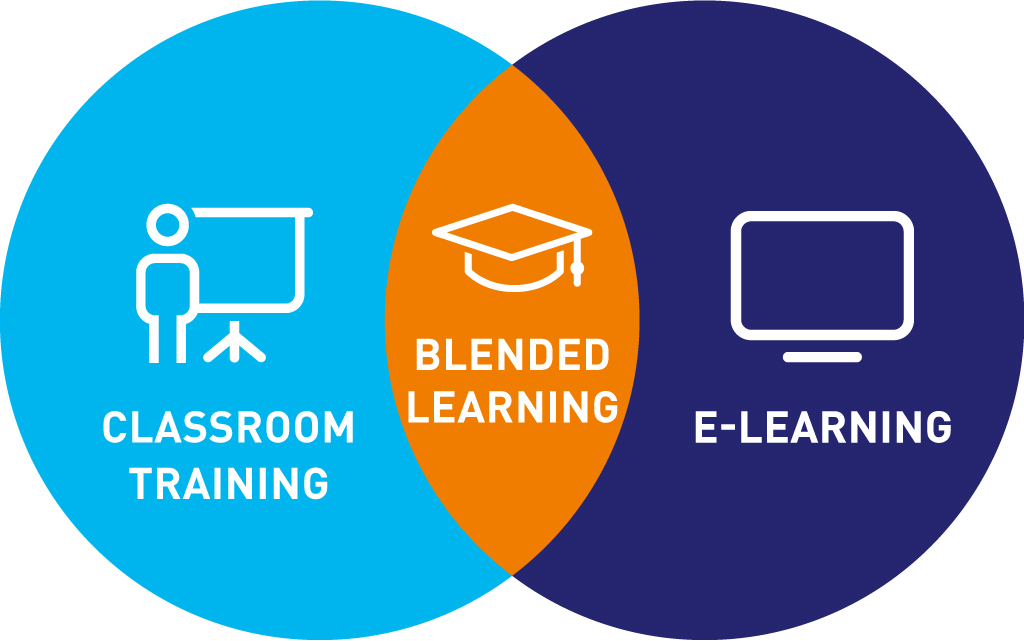
Choose when you learn with blended learning
Blended learning is a mixture of face-to-face and online teaching, designed to help you balance your studies with work, family, or other responsibilities.
We offer timetables for you to choose from in either London, Birmingham, Leicester, Luton
Daytime students
2 days of tuition per week: one session on campus and the other session delivered live online
Evening and weekend students
2 evenings live online and 1 weekend day face-to-face on campus or 2 evenings face-to-face on campus and 1 weekend day live online.
Weekend students
Face-to-face sessions on Saturday and online sessions on Sunday
Frequently Asked Questions
A BSc Counselling, Mental Health and Wellbeing degree in the UK can lead to careers as a Counsellor, Mental Health Support Worker, Wellbeing Practitioner, Psychological Wellbeing Advisor, Substance Misuse Worker, Youth Worker, or Community Mental Health Officer. Graduates are employed across the NHS, charities, schools, rehabilitation centres, and private practice.
Yes — a counselling and mental health degree is worth it if you want to support people with their mental health, emotional wellbeing, and personal development. Employers value graduates with strong communication, empathy, and therapeutic skills in both health and community services.
The average counselling and mental health graduate salary in the UK starts at around £22,000 to £28,000. With further training and experience, professional counsellors and wellbeing practitioners can earn £30,000 to £45,000, while senior therapists or clinical supervisors may earn £50,000+.
Yes — many UK universities offer a counselling and mental health degree with a foundation year, designed for students without A-levels or previous qualifications. This route helps you build academic and practical skills before progressing to the main degree.
After completing a BSc in Counselling, Mental Health and Wellbeing, you can work in counselling services, community mental health, education, wellbeing programmes, addiction recovery, or youth support. Many graduates also continue into postgraduate study or professional accreditation with bodies such as the BACP (British Association for Counselling and Psychotherapy).