
BA
Computer Game and DesignFoundation Year
- Foundation Year – Develop core computing and Game Development skills
- Industry-aligned – Learn using industry-standard tools such as Unreal Engine 5, UEFN, and professional studio workflows
- Flexible timetables – Face-to-face and online learning
- City-centre campuses – London
- Strong career focus – Teaching focuses on industry needs.
KEY INFORMATION
Level Of Study
Undergraduate
Duration
3/4 Years
Intakes
October, January, May
Locations
London
Study Mode
Blended Learning (1 day online & 1 day in class)
Entry Requirements
Apply without Previous Qualifications
*Please note yearly fees may increase in line with inflation & Government guidelines.
Modules Include :
Foundation Year:
- Games Art and Design
- English for Academic Purposes, Research & Study Skills
- Visual Culture
- Final Major Project
Year 1:
- Games Design Concepts and Visual Storytelling
- Games Studio Practice 1
- Introduction to 3D Asset Creation for Games
- Introduction to Gameplay Mechanics
Year 2:
- Level Design: Player Experience and Usability
- Games Studio Practice 2
- Games Project Management
- Advanced Mechanics and Quest Design
Year 3:
- Games Studio Practice 3
- Final Year Project and Professional Portfolio Curation
- Audio and Soundscapes for Games OR Advanced Games Feature Design and Emerging Technologies
A BA in Computer Game and Design equips graduates with creative and technical skills in game development, design, and interactive storytelling. With experience and a strong portfolio, graduates can progress into senior roles such as:
- Game Director
- Lead Game Designer
- Creative Director (Games)
- Level Design Lead
- Technical Art Director
- User Experience (UX) Director
- Gameplay Systems Designer
- Studio Production Manager
- Narrative Design Lead
- Head of Game Development
Build in-demand Computer Game and Design skills employers need
Build core game design, gameplay mechanics, and player experience skills.
Create immersive levels, interactive narratives, and engaging game systems.
Develop 3D assets and real-time environments using industry-standard tools.
Graduate with an industry-ready portfolio aligned with employer expectations.


Why Choose a Career in Computer Game and Desgin?
Do I Qualify?
Why study a Computer Game and Design degree with a foundation year?
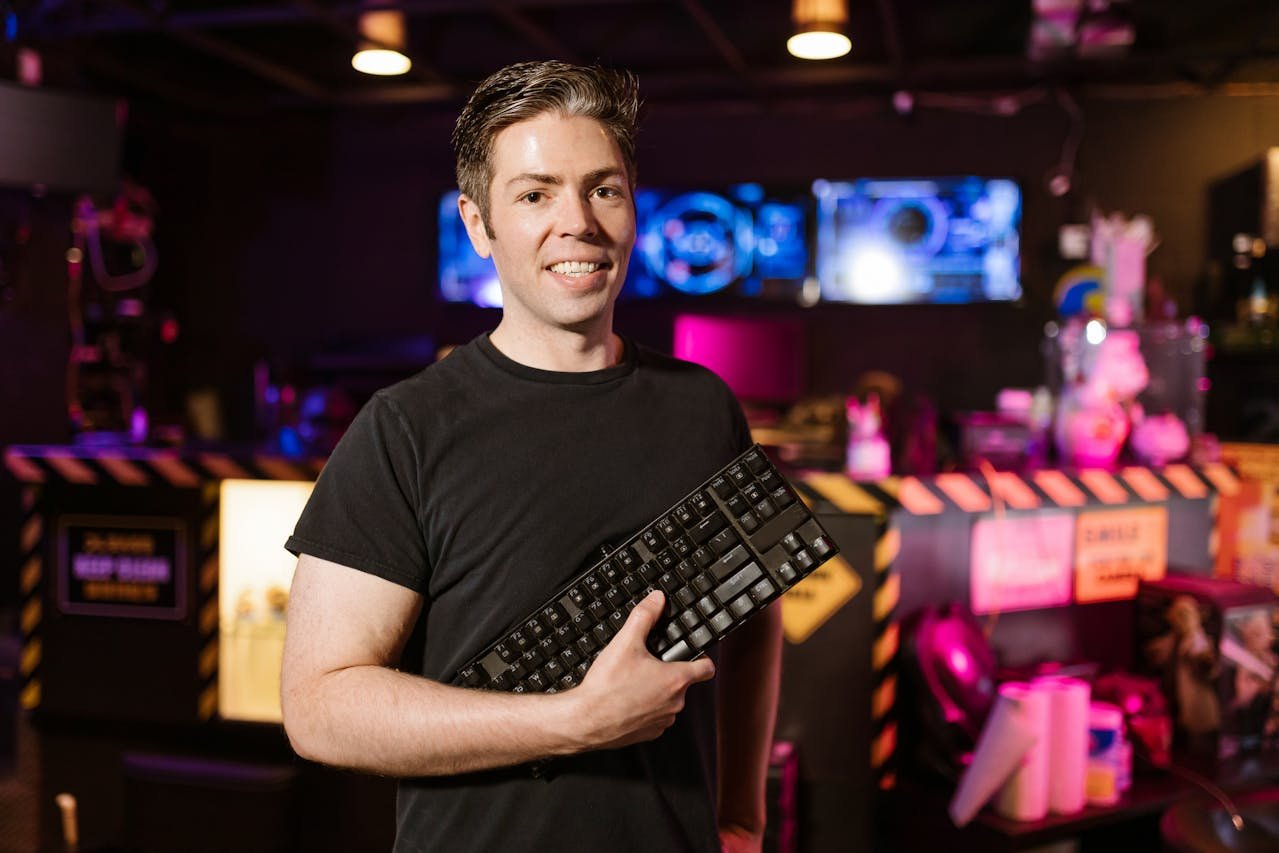

Choose when you learn with blended learning
Daytime students
2 days of tuition per week: one session on campus and the other session delivered live online
Evening and weekend students
2 evenings live online and 1 weekend day face-to-face on campus or 2 evenings face-to-face on campus and 1 weekend day live online.
Weekend students
Face-to-face sessions on Saturday and online sessions on Sunday
Frequently Asked Questions
A computer games design degree in the UK can lead to careers as a Game Designer, Level Designer, 3D Artist, Animator, Gameplay Programmer, Concept Artist, or Quality Assurance (QA) Tester. Graduates are employed by game studios, animation companies, app developers, VR/AR firms, and digital entertainment businesses.
Yes — a computer games design degree is worth it if you want a career in the gaming and digital entertainment industry. The UK games sector is one of the fastest-growing creative industries, and employers value graduates with skills in design, coding, 3D modelling, animation, and storytelling.
The average video game design graduate salary in the UK starts between £22,000 and £28,000. With experience, roles such as Game Designer, 3D Artist, or Gameplay Programmer can earn £35,000 to £50,000, while senior designers and lead developers at top studios can earn £60,000 to £80,000+.
Yes — many UK universities offer a computer games design degree with a foundation year, designed for students without A-levels or traditional qualifications. This route develops your technical, artistic, and creative skills so you’re ready to progress onto the main degree.
After completing a computer games design degree, you can work in video game development, mobile app design, VR/AR projects, animation, and interactive media. Many graduates also freelance as game designers or digital artists, or launch their own independent game studios.