
LLB
Law with Foundation Year
- Foundation Year – Develop core knowledge in law, legal systems, and critical thinking skills
- Industry-aligned – Gain practical experience and exposure to legal research, advocacy, and professional legal practice
- Flexible timetables – Face-to-face and online learning
- City-centre campuses – London, Birmingham, Manchester, Leeds
- Strong career focus – Teaching focuses on industry needs.
KEY INFORMATION
Level Of Study
Undergraduate
Duration
3/4 Years
Intakes
October, January, May
Locations
London, Birmingham, Manchester, Leeds
Study Mode
Blended Learning (1 day online & 1 day in class)
Entry Requirements
Apply without Previous Qualifications
*Please note yearly fees may increase in line with inflation & Government guidelines.
Modules Include :
Foundation Year:
- Preparing for University Success
- Exploring the Business Environment
- Advancing your Academic Skills
- Becoming an Effective Leader
- Planning for Your Future Success
- Investigation & Innovation Project
Year 1:
- English Legal System and Skills
- Public Law
- Tort 1
- Crime 1
- Civil Liberties in Practice
- Contract Law
Year 2:
- Tort 2
- Crime 2
- Land Law and Practical Skills
- Equity, Trusts and Wills
- Dispute Resolution
- Technology, Innovation and the Law
Year 3:
- Business Law and Practice
- EU Law
- International Commercial Law
- Public International Law
- Legal Dissertation (40 credits)
An LLB Law degree provides a solid foundation in legal principles, critical thinking, and ethical reasoning—preparing graduates for senior roles in the legal sector and beyond. With further training and professional experience, potential senior job titles include:
- Solicitor (Senior Associate or Partner)
- Barrister (King’s Counsel or Senior Barrister)
- Judge (District, Circuit, or High Court)
- Legal Director
- Head of Legal and Compliance
- General Counsel
- Corporate Legal Advisor
- Public Policy Director
- Senior Legal Consultant
- Director of Regulatory Affairs
Build in-demand Law skills employers need


Why Choose a Career in Law?
Choosing a career in Law allows you to make a meaningful impact by upholding justice, protecting rights, and shaping legal frameworks that govern society.
With diverse opportunities in law firms, corporate sectors, and public services, a career in Law offers job stability, intellectual challenge, and the chance to influence positive change.
Do I Qualify?
Why study a Law degree with a foundation year?
The foundation year has been designed for students who have decided to start a career in cyber security or need extra support settling back into education.
Learn flexibly with our three blended learning options delivered at our London, Birmingham, Manchester, Leeds campuses, helping you to balance studies with work and life commitments.

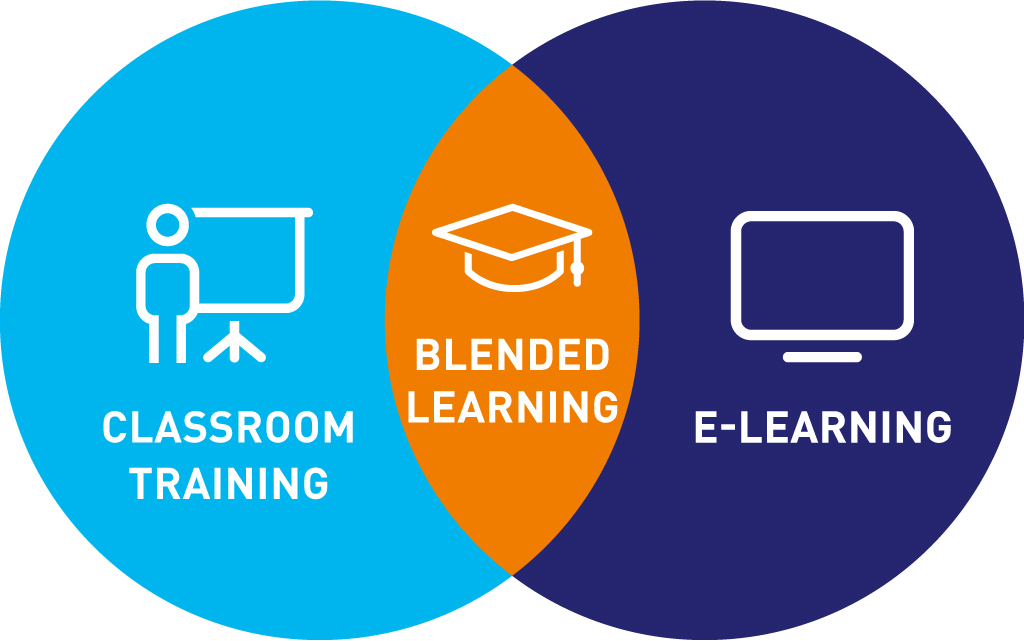
Choose when you learn with blended learning
Daytime students
2 days of tuition per week: one session on campus and the other session delivered live online
Evening and weekend students
2 evenings live online and 1 weekend day face-to-face on campus or 2 evenings face-to-face on campus and 1 weekend day live online.
Weekend students
Face-to-face sessions on Saturday and online sessions on Sunday
Frequently Asked Questions
An LLB Law degree in the UK can lead to careers as a Solicitor, Barrister, Legal Advisor, Paralegal, Compliance Officer, Policy Analyst, or Corporate Lawyer. Many graduates also work in government, business, human rights, and international organisations where legal knowledge is essential.
Yes — an LLB Law degree is worth it if you want to build a career in the legal profession, business, or public service. Law graduates are in high demand because the degree develops critical thinking, analytical, and problem-solving skills valued across many industries.
The average law graduate salary in the UK starts between £30,000 and £35,000. With experience, Solicitors and Barristers can earn £50,000 to £100,000+, depending on the area of law and type of employer. Corporate law and commercial law roles often offer the highest salaries.
Yes — many universities offer an LLB Law degree with a foundation year, allowing students without A-levels or traditional qualifications to start their legal studies. This pathway builds the academic and research skills needed to succeed in higher education.
After completing an LLB Law degree, you can progress to professional training to become a Solicitor (SQE route) or Barrister (Bar Practice Course). Alternatively, many graduates enter careers in business, government, finance, politics, or international relations, where a law degree is highly respected.